Tanzania Photographic Safari
A Tanzania photographic safari is a dream adventure for wildlife photographers, nature lovers, and travelers seeking to capture the raw beauty of Africa. Tanzania offers some of the most breathtaking safari landscapes on Earth, from the endless plains of the Serengeti National Park to the dramatic volcanic scenery of the Ngorongoro Crater.
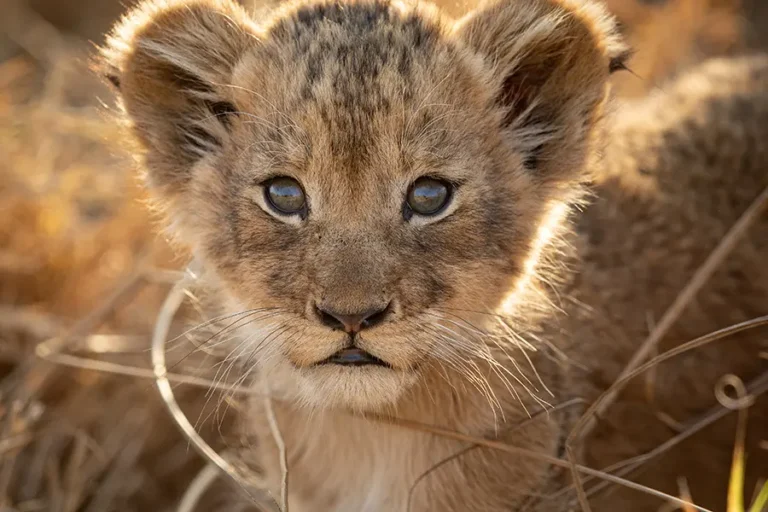
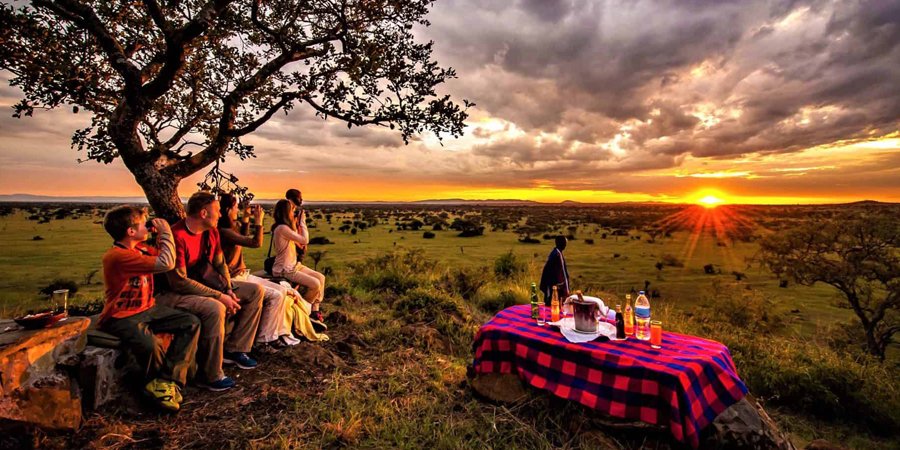
Capture Africa’s Most Spectacular Wildlife Moments
A Tanzania photographic safari is a dream adventure for wildlife photographers, nature lovers, and travelers seeking to capture the raw beauty of Africa. Tanzania offers some of the most breathtaking safari landscapes on Earth, from the endless plains of the Serengeti National Park to the dramatic volcanic scenery of the Ngorongoro Crater. Every game drive presents extraordinary opportunities to photograph iconic wildlife, golden sunsets, dramatic predator action, and authentic African wilderness.
Whether you are a professional photographer or a beginner with a camera, Tanzania provides exceptional conditions for wildlife photography throughout the year.
Why Tanzania is Perfect for Photography Safaris
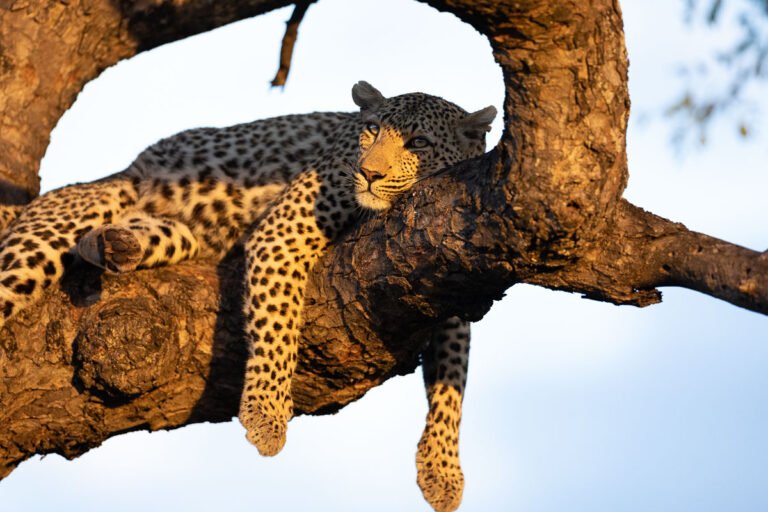
Tanzania is considered one of Africa’s top photographic safari destinations because of its abundant wildlife, open landscapes, and year-round safari experiences. The country’s national parks are home to large populations of lions, elephants, leopards, giraffes, cheetahs, zebras, and countless bird species.
The wide-open plains of the Serengeti create excellent visibility for photography, while the Ngorongoro Crater offers dense concentrations of wildlife within a stunning natural setting. Photographers can capture everything from close-up wildlife portraits to sweeping landscape panoramas filled with dramatic light and color.
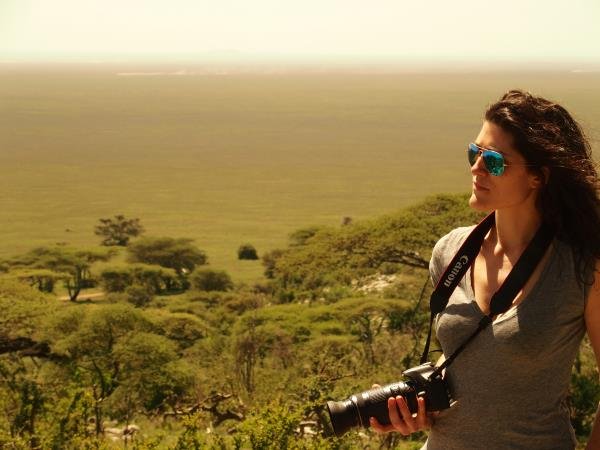
Best Destinations for a Tanzania Photographic Safari
Serengeti National Park
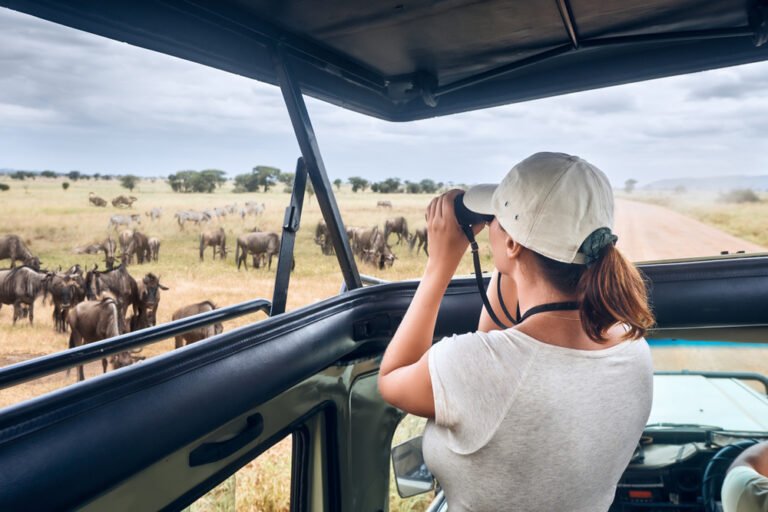
The Serengeti is Tanzania’s most iconic photographic safari destination, famous for its endless golden plains, abundant wildlife, and dramatic predator action. Photographers can capture the Great Wildebeest Migration, lion prides hunting, cheetahs sprinting across the savannah, elephants roaming freely, and breathtaking African sunsets. The park’s open landscapes provide excellent lighting and visibility, making it one of the best wildlife photography locations in the world.
Ngorongoro Crater
The Ngorongoro Crater offers extraordinary wildlife photography opportunities within a spectacular volcanic caldera. The crater floor is home to a dense concentration of wildlife including lions, rhinos, buffalo, elephants, hippos, and flamingos, allowing photographers to capture diverse species in a single game drive. Its dramatic scenery, lush highlands, and panoramic viewpoints create stunning compositions for both wildlife and landscape photography.
Tarangire National Park
Tarangire National Park is renowned for its massive elephant herds, ancient baobab trees, and peaceful safari atmosphere. The park’s golden landscapes and seasonal river attract a variety of wildlife including giraffes, zebras, wildebeest, lions, and leopards. Tarangire is especially popular among photographers seeking unique compositions featuring elephants beneath giant baobab trees during beautiful sunrise and sunset lighting conditions.
Lake Manyara National Park
Lake Manyara National Park is a compact but incredibly diverse photographic safari destination offering forests, open plains, and alkaline lake scenery. The park is famous for tree-climbing lions, flamingos, monkeys, hippos, and colorful birdlife. Photographers can capture dramatic reflections along the lake shore, dense groundwater forests, and a rich variety of wildlife within a relatively small area.
Ruaha National Park
Ruaha National Park is Tanzania’s largest national park and one of Africa’s hidden gems for wildlife photography. Its remote wilderness, rugged landscapes, and lower tourist numbers provide authentic safari experiences and exceptional photographic opportunities. The park is known for large elephant populations, powerful lion prides, leopards, wild dogs, and dramatic river scenery that creates spectacular wildlife images.
Nyerere National Park
Formerly part of the Selous Game Reserve, Nyerere National Park offers a unique photographic safari experience with river systems, boat safaris, and untouched wilderness landscapes. Photographers can capture crocodiles, hippos, elephants, wild dogs, and birds along the Rufiji River while enjoying fewer crowds and stunning natural scenery that feels truly wild and unexplored.
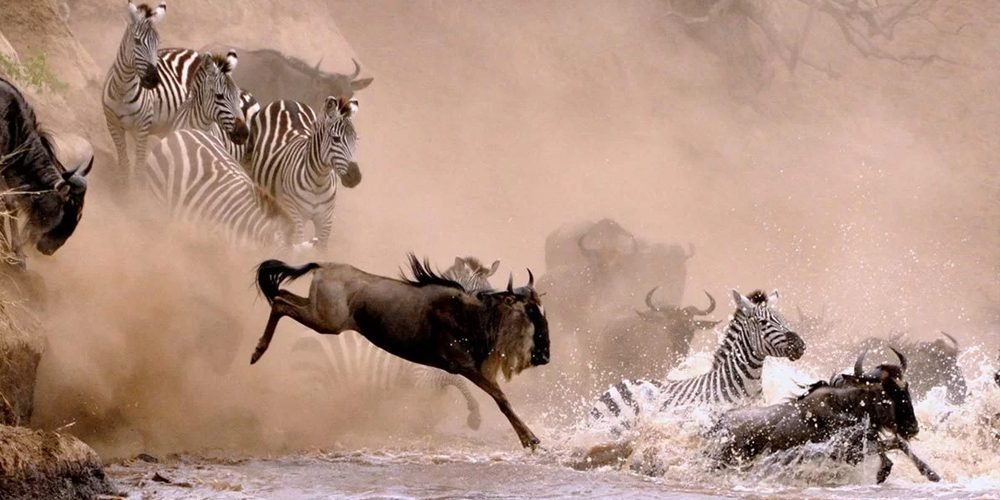
Great Wildebeest Migration Photography
The Great Wildebeest Migration is one of the world’s most iconic wildlife photography events. Millions of wildebeest and zebras move across the Serengeti ecosystem while predators follow closely behind.
The dramatic Mara River crossings between July and September provide exceptional opportunities to photograph:
- Crocodile attacks
- Herd movement
- Predator hunts
- Dust-filled landscapes
- Intense wildlife action
Best Time for a Photographic Safari in Tanzania
June to October – Dry Season
This is the best period for wildlife photography because animals gather near water sources and vegetation is thinner, improving visibility.
January to March – Calving Season
The southern Serengeti becomes filled with newborn wildebeest and predator activity, creating dramatic action photography opportunities.
November to December – Green Season
This season offers lush landscapes, dramatic skies, fewer tourists, and excellent bird photography.
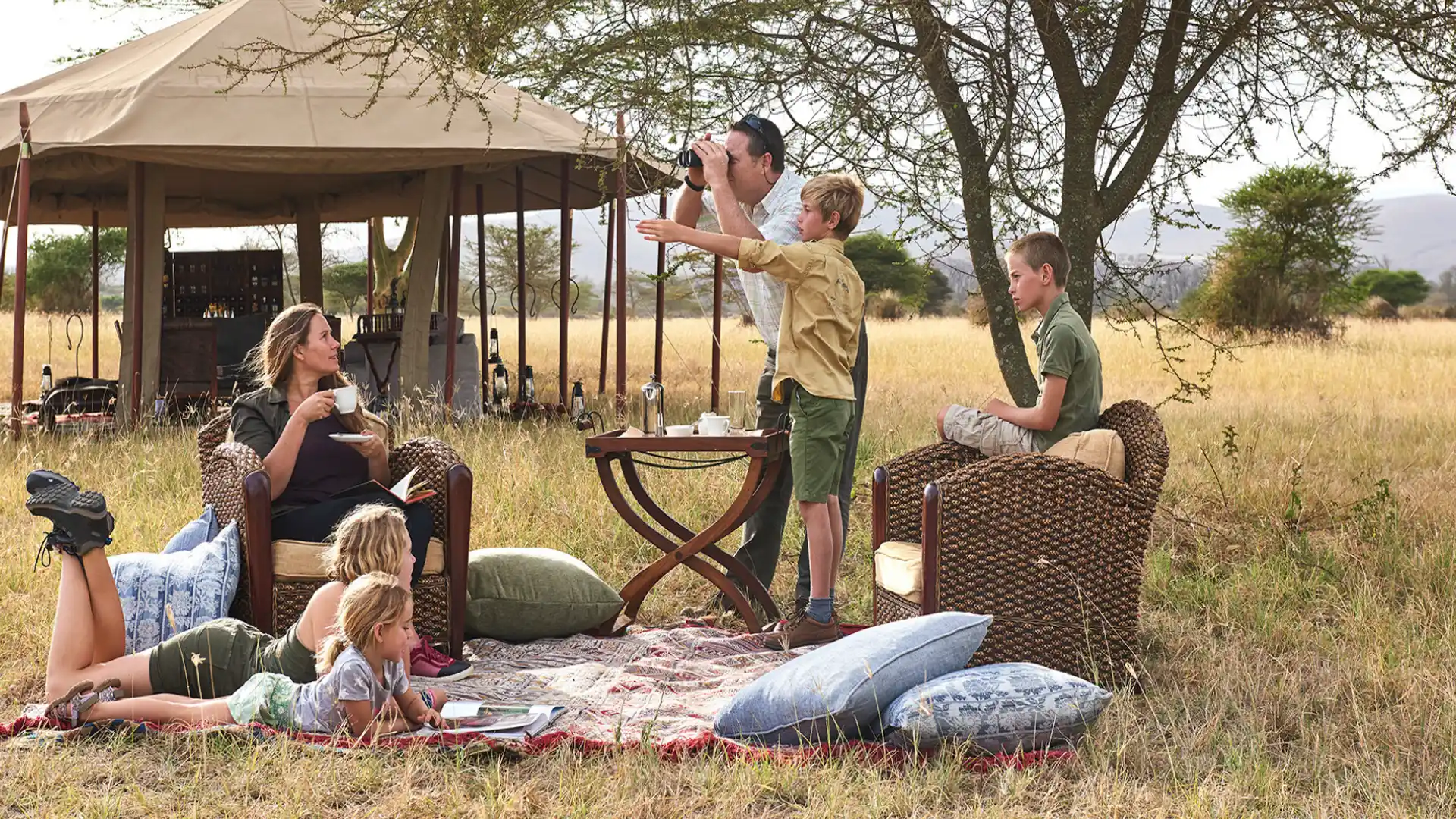
Luxury Photography Tanzania Safari Experience
Tanzania is considered one of Africa’s top photographic safari destinations because of its abundant wildlife, open landscapes, and year-round safari experiences.
Luxury photographic safaris in Tanzania combine wildlife adventure with world-class comfort. Travelers stay in elegant safari lodges and luxury tented camps designed for photographers seeking comfort after long game drives.
- 8 Days
- 25
8 Days Walking Safari to Ngorongoro and Lake Natron
Starts From $2,350
per person
Tanzania Photographic Safari FAQs
A Tanzania photographic safari is a specialized wildlife safari designed for travelers and photographers who want to capture high-quality images of Africa’s wildlife, landscapes, and cultures. These safaris focus on maximizing photography opportunities during game drives and nature experiences.
Tanzania is famous for its incredible wildlife diversity, stunning landscapes, and world-renowned safari destinations such as Serengeti National Park and Ngorongoro Crater. The country offers excellent opportunities to photograph the Big Five, the Great Wildebeest Migration, dramatic sunsets, and authentic African wilderness scenes.
The best time is during the dry season from June to October when wildlife gathers around water sources and vegetation is thinner, making animals easier to photograph. January to March is also excellent for photographing the wildebeest calving season in the Serengeti.
Travelers can photograph:
- Lions
- Leopards
- Elephants
- Rhinos
- Buffalo
- Cheetahs
- Giraffes
- Zebras
- Wildebeest
- Hippos
- Crocodiles
- Flamingos
- Hundreds of bird species
Tanzania offers some of Africa’s richest wildlife photography opportunities.
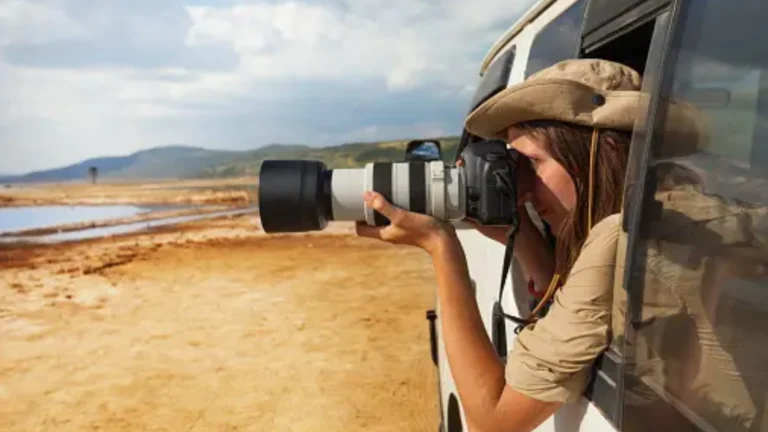
Yes. Many luxury safari operators offer private photographic safari vehicles with open sides, pop-up roofs, and customized seating arrangements designed for wildlife photography.
Tanzania offers extraordinary wildlife diversity, breathtaking landscapes, authentic safari experiences, and world-famous national parks. From the Serengeti plains to the Ngorongoro Crater, the country provides endless opportunities for capturing unforgettable wildlife and nature photographs.
