Why Travel With Mangalo Expeditions for Your Kilimanjaro Climb
Climbing Mount Kilimanjaro is more than just reaching the summit—it is about choosing the right team to guide you safely and successfully through one of Africa’s greatest adventures. Mangalo Expeditions is a trusted local tour operator based in Tanzania, specializing in unforgettable Kilimanjaro trekking experiences, wildlife safaris, and tailor-made adventures across the country. The company has helped thousands of travelers explore Tanzania’s iconic destinations, including Kilimanjaro, Serengeti, Ngorongoro Crater, and Zanzibar.
One of the biggest advantages of climbing with Mangalo Expeditions is their deep local expertise and personalized approach. Their experienced mountain guides understand Kilimanjaro’s routes, weather patterns, altitude challenges, and acclimatization strategies, ensuring climbers receive professional support throughout the trek. Whether you choose the scenic Machame Route, the beautiful Lemosho Route, the quiet Rongai Route, or the Northern Circuit, the team focuses on maximizing safety, comfort, and summit success rates.
Safety and preparation are key elements of every Kilimanjaro expedition. The guides at Mangalo Expeditions emphasize slow and steady acclimatization, proper hydration, and climber support at every stage of the journey. Kilimanjaro may not require technical climbing skills, but altitude and weather conditions can still make the trek physically demanding. Choosing an experienced operator with knowledgeable guides significantly improves your overall experience and summit chances.
Another reason travelers choose Mangalo Expeditions is the quality of service both on and off the mountain. From airport transfers and accommodation arrangements to professional mountain crews and delicious meals during the trek, every detail is carefully organized to ensure a smooth adventure. Travelers have praised the company for its hospitality, attention to detail, and commitment to creating unforgettable experiences in Tanzania.
What truly makes Mangalo Expeditions stand out is their passion for showcasing the beauty of Tanzania beyond the climb itself. Many travelers combine their Kilimanjaro adventure with a safari in Serengeti or Ngorongoro Crater, creating a complete East African experience. As a locally operated company, Mangalo Expeditions offers authentic insight into Tanzania’s landscapes, wildlife, and culture while supporting sustainable tourism and local communities.
Mangalo Expeditions
WhyTravel with us?
TALA Licensed Tour Operator
Mangalo Expeditions is Fully registered and licensed tour operator, ensuring safety and professionalism
Local expertise in Tanzania
Highly experienced local guides with deep wildlife knowledge and exceptional guest care.
Sustainable Travel
At Mangalo Expeditons Committed to eco-friendly practices that protect wildlife, support communities
All Iconic Destinations
Mangalo Expeditions is the place to find remarkable wildlife adventures on offer around Tanzania.
Great Safari Deals
We work with our reputable travel partners to find you the best deal for your perfect safari.
Super Easy Process
Once you make an enquiry you are connected directly to the travel partner to complete your booking.
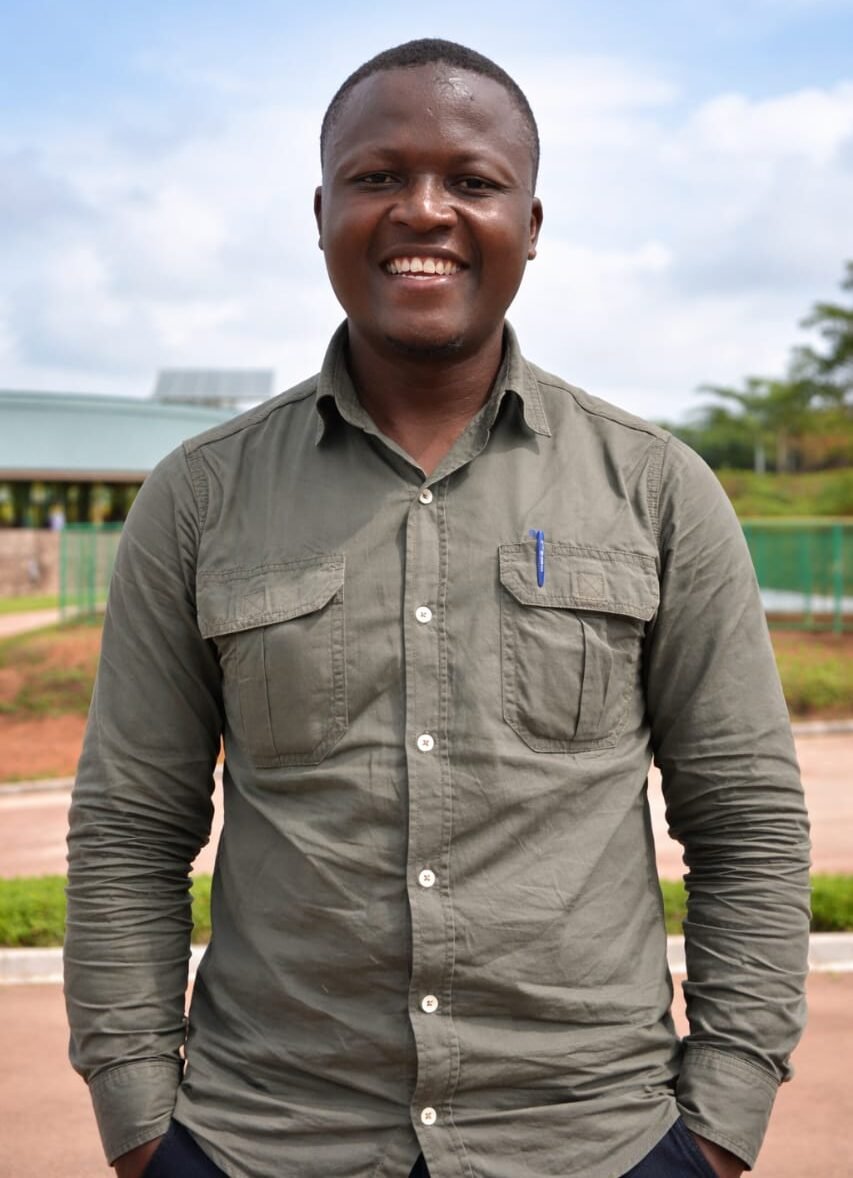
Connect with our local experts for personalized travel planning or Contact us through info@mangalo-expeditions.com
+255 767 848 463
Your Gateway to the Heart of Tanzania
Whether you are drawn to vast savannahs or dreaming of Kilimanjaro’s summit, we help you create an African Safari in Tanzania that’s memorable and full of discovery.
Start Planning Your Dream Trip with Us!
Craft your own Tanzania Safaris, Mount Kilimanjaro Climbing Tours, or both, and make it beautifully unforgettable.
Climbing Mount Kilimanjaro FAQ
Mount Kilimanjaro stands in northern Tanzania, East Africa, just a short distance from the Kenyan border. The mountain sits within Kilimanjaro National Park, a protected area that welcomes climbers from around the world. Since you’re based in Arusha, you’re perfectly positioned—Kilimanjaro lies less than two hours from your doorstep, making it one of the most accessible major peaks for both locals and international visitors.
Mount Kilimanjaro reaches 5,895 meters (19,341 feet) above sea level. This impressive height makes it Africa’s tallest mountain and the world’s highest free-standing peak. Unlike mountains in the Himalayas or Andes that rise from already elevated plateaus, Kilimanjaro erupts dramatically from the surrounding plains, creating one of the most striking profiles you’ll ever see.
Kilimanjaro doesn’t require technical climbing skills—no ropes, ice axes, or previous mountaineering experience necessary. However, don’t let this fool you into thinking it’s easy. Altitude sickness presents the biggest challenge, affecting climbers regardless of fitness level. The thin air at high elevation causes headaches, nausea, and exhaustion. Your body needs time to adjust, which is why proper acclimatization makes the difference between success and turning back. Good physical fitness helps, but mental determination and choosing the right itinerary matter even more.
Most climbers spend 6 to 9 days on the mountain, depending on which route they choose. Shorter trips might seem appealing, but they dramatically reduce your chances of reaching the summit. Your body needs time to adapt to decreasing oxygen levels. Longer itineraries—especially 7 to 9 days—give you better acclimatization, reduce altitude sickness risk, and significantly improve summit success rates. Think of those extra days as an investment in your goal of standing on Uhuru Peak.
Kilimanjaro offers several routes, each with distinct characteristics. The Machame Route, known as the “Whiskey Route,” takes you through diverse landscapes and provides good acclimatization through its “climb high, sleep low” profile. The Lemosho Route offers even better acclimatization with more gradual ascent and stunning scenery, though it costs slightly more. The Marangu Route (the “Coca-Cola Route”) provides hut accommodation instead of camping but has lower success rates due to rapid ascent. The Rongai Route approaches from the north, offering a quieter experience with less crowds. The Northern Circuit takes the longest but offers the highest success rates and most spectacular views. Lemosho and Machame consistently rank as the best choices for balancing scenery, acclimatization, and success rates.
Plan your climb during January through March or June through October for the most favorable conditions. These periods offer clearer skies, drier trails, and better visibility for those spectacular sunrise views from the summit. The mountain gets wetter during April, May, and November, though some climbers prefer these quieter months despite the rain. December can work well too, though you might encounter some afternoon showers. The temperature at the summit stays below freezing year-round, so you’ll need warm gear regardless of when you climb.
You’ll need a layered clothing system to handle temperatures ranging from tropical heat to arctic cold. Essential items include waterproof hiking boots (broken in before your climb), a warm down jacket rated for sub-zero temperatures, a quality sleeping bag (rated to -10°C or lower), trekking poles for stability, moisture-wicking base layers, waterproof pants and jacket, warm hat and gloves, and a comfortable daypack for carrying water and snacks. Good headlamps, sunglasses, and sunscreen round out the basics. Don’t worry if you don’t own everything—many reputable operators in Arusha rent high-quality gear at reasonable prices, saving you the expense of buying equipment you might only use once.
Your chances of reaching Uhuru Peak depend on several factors you can control. Summit success rates vary from 65% to over 90%. Choosing a longer route dramatically improves your odds—7 to 9-day itineraries give your body more time to adjust. Working with experienced guides who monitor your health and adjust pace makes a huge difference. Your personal preparation matters too: arrive in good physical condition, stay well-hydrated throughout the climb, listen to your body, and don’t push too hard too fast. The phrase “pole pole” (slowly, slowly in Swahili) becomes your mantra. Climbers who rush often fail, while those who pace themselves steadily reach the top.
Travelers Reviews
Posted on TripadvisorVerified Amazing experience we planted trees and trash collection. Amazing trip was I didn't think I will get those types of places and friends I invested almost two weeks, but I didn't feel those weeks how i passed. there was excellent organizer. And helped by weather as well. we happily spent our time thank you so much Mangalo Expeditions.Posted on TripadvisorVerified Kilimanjaro + Safari + Tanzania Tour The overall experience was beyond expectations. Plus, the people working with Mangalo made sure that the tour went with utmost comfort. They were always there with us - be it making sure that we get all the essentials for our trek to our exciting itinerary. The accommodations and the food was healthy and we got truly unforgettable memories for life. No kidding. The head of the company - Salla - made absolutely sure that all our needs are met with and we don’t have to worry about anything else, and simply focus on living our best times in Tanzania and Zanzibar.Posted on TripadvisorVerified What an amazing experience!!! It has been one of the most beautiful experiences of my life . I travelled with my son, who invited me to this fantástic trip.Our Mangalo Expeditions host, Salla, provided us the best attention, the best four safari days. We never had to worry about anything.Everything was already set for us.One day visiting Manyara Lake.Two days in the middle of Serengeti, at the Wild Africa Luxury Tented Camp with the finest attention and where we could hear the hyenas in the night barking and passing bye out our tents .The fourth day we were at Ngorongoro Crater .We had the privilege during this trip to meet the Big Five ( elephant, lion, leopard, buffalo and rhyno ) and many other species as giraffes, volters, hyenas, wilbeests, zebras,a cheehta, baboons,jackals,etc.Our gratitude to our experienced game driver Sam, who always taked care of us and tracked the best routes to take us and be able to watch all the magnificent of wild animals in this amazing country Tanzania.Thank you very much!!!Posted on TripadvisorVerified Safari in Tanzania The four days safari that we had with mangalo expeditions was an unforgettable experience. He had the best adventure chasing for the “Big five” in Manyara lake, Serengeti and ngorongoro Crater. Thank you Salla, our tour operator and Sam our guide, the service was impeccable!Posted on TripadvisorVerified "Best Tour In Tanzania" I visited Tanzania, I booked in a Mangalo Expeditions company, I spent 4 days on a wonderful excursion, I saw magnificent landscapes and types of animals, it's a wonderful and unforgettable experience , everything was beautiful and organized service, I have to return, excellent

Our Travel Partners