Kilimanjaro Weather by Month (2026 Guide): Best Time to Climb, Temperature & Seasons
Kilimanjaro Weather by Month (2026 Guide)
The weather on Mount Kilimanjaro can vary from very hot to extremely cold within the same day, although it does not experience wide temperature changes from season to season. Instead, the temperatures on Mount Kilimanjaro are determined more by the altitude and time of day.
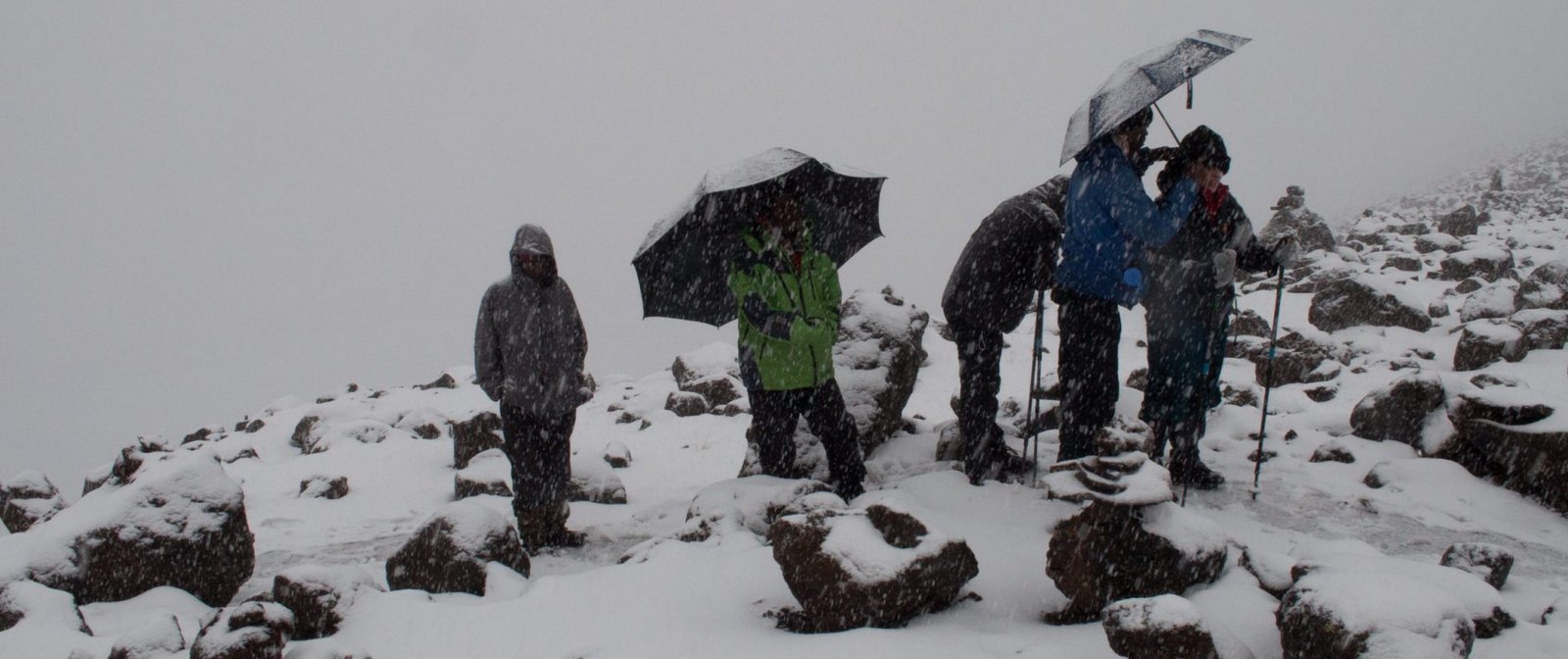
At the base of the mountain, the average temperature is around 21 to 27°C, and at the summit, Uhuru Peak, the nighttime temperatures can range between 20 and -20 degrees Fahrenheit (-7 to -29 degrees Celsius). Like all great mountains, Kilimanjaro creates its own weather, which can be extremely variable and difficult to predict. Hikers need to be prepared for warm, sunny conditions; rain; wind; cold; and even snow.
Even though the best time to climb Kilimanjaro coincides with the “dry” seasons, rain, and snow are possible at any time of the year. As you get higher up, the temperatures can vary dramatically; one moment you can be trekking in baking sunshine, the next you’ll be layering up against a bitter wind.
Standing at 19,341 ft above sea level, Kilimanjaro is big enough to create its own weather systems. Being on the equator means the trade winds (sometimes called ‘monsoons’) that move across the ocean, drawing moisture upwards, are interrupted by the mountain. This causes the wind to push up towards the summit, cooling as it goes, bringing rain and snow.
Kilimanjaro Climate Overview
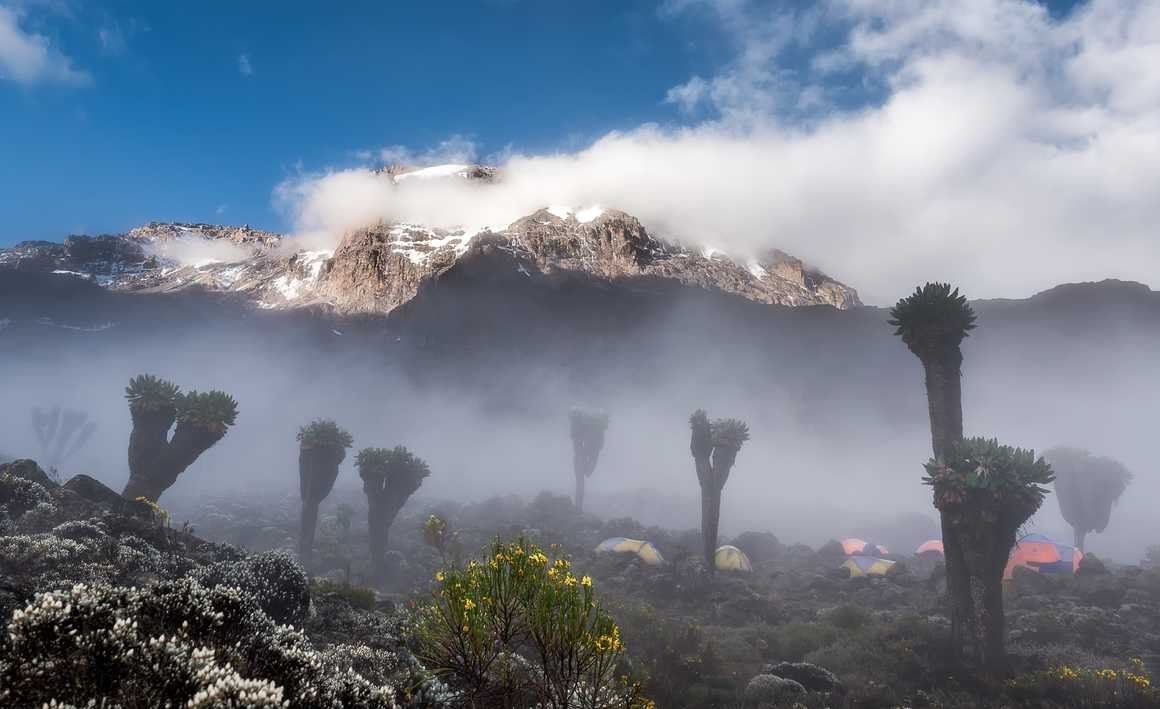
Mount Kilimanjaro has one of the most diverse climates in the world, largely due to its massive height of 5,895 meters above sea level. As climbers ascend the mountain, they experience a dramatic shift in weather and environment—almost like traveling from the equator to the Arctic in just a few days. This unique phenomenon is what makes Kilimanjaro so fascinating and challenging at the same time.
At the lower slopes, the journey begins in the rainforest zone, where conditions are warm, humid, and rich in vegetation. This area receives significant rainfall, creating lush greenery and dense forest cover. As climbers move higher, they transition into the heath and moorland zone, where temperatures begin to drop and the landscape becomes more open, with shrubs and rolling terrain replacing thick forest.
Further up, the environment changes dramatically into the alpine desert zone, characterized by dry air, strong sun during the day, and cold nights. Vegetation becomes sparse, and the terrain turns rocky and barren. Finally, at the highest point, climbers reach the arctic summit zone, where conditions are extreme—freezing temperatures, strong winds, and low oxygen levels dominate this icy landscape.
Temperature variation on Kilimanjaro is just as extreme as its ecological diversity. At the base of the mountain, temperatures typically range between 20°C and 30°C, providing warm and comfortable conditions. As you ascend to mid-altitudes, temperatures drop significantly to between 5°C and 15°C, especially during early mornings and evenings. At the summit, conditions become harsh, with temperatures falling to between -10°C and -20°C, particularly during summit night when most climbers make their final push. This wide temperature range makes proper layering and preparation essential for a successful climb.
Kilimanjaro Weather by Month
The best time to climb Mount Kilimanjaro is during the dry seasons—January to February and June to October—when weather conditions are more stable, skies are clearer, and rainfall is minimal. These months offer better visibility, making it easier to enjoy the stunning landscapes and increasing your chances of reaching the summit successfully. Lower rainfall also means drier trails, which are safer and more comfortable for trekking.
January is one of the most favorable months for climbing Kilimanjaro. The weather is generally warm with clear skies, offering excellent visibility throughout the trek. Rainfall is minimal, and conditions are stable, making it ideal for both beginners and experienced climbers aiming for a high summit success rate.
February continues the excellent conditions seen in January. It is often slightly warmer, especially at lower altitudes, and still benefits from dry weather and clear views. This month is considered one of the absolute best times to climb, with a strong balance between good weather and manageable crowd levels.
March marks the beginning of the long rainy season. Rainfall starts to increase, especially in the rainforest zone, making trails muddy and more challenging to navigate. Visibility can be reduced due to cloud cover, but the mountain becomes quieter, which may appeal to climbers seeking solitude.
April is typically the wettest month on Kilimanjaro. Heavy and consistent rainfall creates slippery and difficult trekking conditions, particularly on steep sections. Clouds often obscure views, and overall climbing conditions are less favorable, making it one of the least recommended months.
May continues the rainy season, although rainfall may gradually decrease toward the end of the month. Trails remain wet and challenging, but the number of climbers is very low. This can be an option for those who prioritize quiet routes over ideal weather.
June signals the start of the long dry season and a major improvement in climbing conditions. Rainfall drops significantly, and trails begin to dry out. Temperatures are cooler, especially at higher altitudes, but the weather becomes more stable, making it a great time to begin the climbing season.
July is one of the most popular months to climb Kilimanjaro. The weather is dry and stable, with clear skies offering spectacular views. However, temperatures at the summit can be very cold, and the mountain tends to be busy with climbers from around the world.
August continues the peak climbing season with similar conditions to July. Dry weather and excellent visibility make it ideal for trekking, though high traffic on popular routes is common. Despite the crowds, it remains one of the best months for a successful climb.
September offers some of the best overall conditions on Kilimanjaro. The weather remains dry and clear, but with slightly fewer crowds compared to July and August. This makes it a favorite month for climbers looking for a balance between great weather and a more peaceful experience.
October is the final month of the long dry season. Conditions are still generally good, with low rainfall and decent visibility, although occasional showers may begin to appear toward the end of the month. It remains a solid choice for climbing before the short rains arrive.
November brings the short rainy season. Rainfall is lighter and less consistent than in the long rains, but conditions can still be unpredictable. The landscape becomes lush and green, and the mountain is quieter, making it suitable for those willing to take on variable weather.
December is a transitional month where weather conditions begin to improve again. Early December may still see some rain, but clearer skies return as the month progresses. It is also a busy period due to the holiday season, offering a good mix of improving weather and a lively trekking atmosphere.
Kilimanjaro Temperature: Base vs Summit
One of the biggest mistakes climbers make on Mount Kilimanjaro is underestimating how dramatically temperatures change from the base of the mountain to the summit. Because Kilimanjaro rises nearly 6,000 meters above sea level, climbers experience several climate zones during the trek. A journey that begins in warm tropical conditions can quickly turn into freezing arctic temperatures within just a few days. Understanding these temperature differences is essential for proper preparation and a successful summit attempt.
At the base of Kilimanjaro, temperatures are usually warm and comfortable, ranging between 20°C and 30°C. This lower region is characterized by tropical rainforest conditions with high humidity and frequent rainfall. As climbers ascend into the mid-altitude zones, temperatures begin to drop significantly, averaging between 5°C and 15°C. Nights become colder, especially at camps located above 3,000 meters, where temperatures can approach freezing. Proper layering becomes increasingly important at this stage of the climb.
The most extreme conditions are experienced at the summit zone. During summit night, temperatures on Uhuru Peak can fall to between -10°C and -20°C, accompanied by strong winds and thin air. Wind chill can make it feel even colder, especially before sunrise when most climbers reach the top. These freezing conditions often surprise trekkers who are only prepared for warm African weather. Wearing high-quality thermal clothing, insulated gloves, and waterproof outer layers is crucial for staying safe and comfortable during the final ascent.
The dramatic temperature shift from the base to the summit is one of the reasons Kilimanjaro is considered both unique and challenging. Climbers must prepare for everything from hot daytime hiking to icy nighttime conditions. Packing the right gear and understanding how the mountain’s climate changes with altitude can significantly improve comfort, safety, and overall summit success rates.
Best Kilimanjaro Routes Based on Weather
Choosing the right route on Mount Kilimanjaro is just as important as choosing the right season. Weather conditions can greatly affect trail difficulty, visibility, comfort, and overall summit success rates. Some routes perform better during the dry season due to their scenic nature and longer acclimatization profiles, while others are more suitable during wet months because they provide better shelter and easier trekking conditions.
During the dry seasons—January to February and June to October—the Machame and Lemosho routes are among the most recommended options. These routes are famous for their breathtaking scenery, panoramic views, and excellent acclimatization opportunities. Because weather conditions are usually clear and stable during these months, climbers can fully enjoy the dramatic landscapes, including rainforest trails, alpine deserts, and stunning summit views. The longer itineraries on these routes also help climbers adapt better to altitude, significantly improving summit success rates.
The Machame Route, often called the “Whiskey Route,” is one of the most popular and scenic paths on Kilimanjaro. It offers diverse landscapes and a gradual ascent profile, making it ideal during dry weather when trails are less slippery and visibility is excellent. However, since campers sleep in tents throughout the trek, heavy rain during wet months can make conditions more challenging.
The Lemosho Route is considered one of the best overall routes for acclimatization and scenery. It approaches the mountain from the western side and provides a quieter, more remote experience during the first few days. In dry conditions, Lemosho offers spectacular views and one of the highest summit success rates on Kilimanjaro due to its longer duration and gradual climb.
During the rainy seasons—March to May and November—the Marangu Route is often preferred because it is the only route that offers hut accommodation instead of camping. Known as the “Coca-Cola Route,” Marangu provides dormitory-style shelters where climbers can sleep indoors, making it more comfortable during periods of rain and cold weather. The route is generally less physically demanding in terms of terrain, although its shorter itinerary can make acclimatization more difficult.
Weather conditions can strongly influence your overall climbing experience, which is why route selection should always match the season you plan to travel. Choosing the best route for the prevailing weather not only improves comfort and safety but also increases your chances of successfully reaching Uhuru Peak.
What to Pack for Kilimanjaro Weather
Packing properly for Mount Kilimanjaro is essential because climbers experience multiple climate zones during the trek. Conditions can change rapidly—from warm tropical temperatures at the base to freezing winds near the summit—so having the right gear can make the difference between a comfortable climb and a difficult experience. Layering is especially important, as it allows climbers to adjust clothing based on changing temperatures and weather conditions throughout the journey.
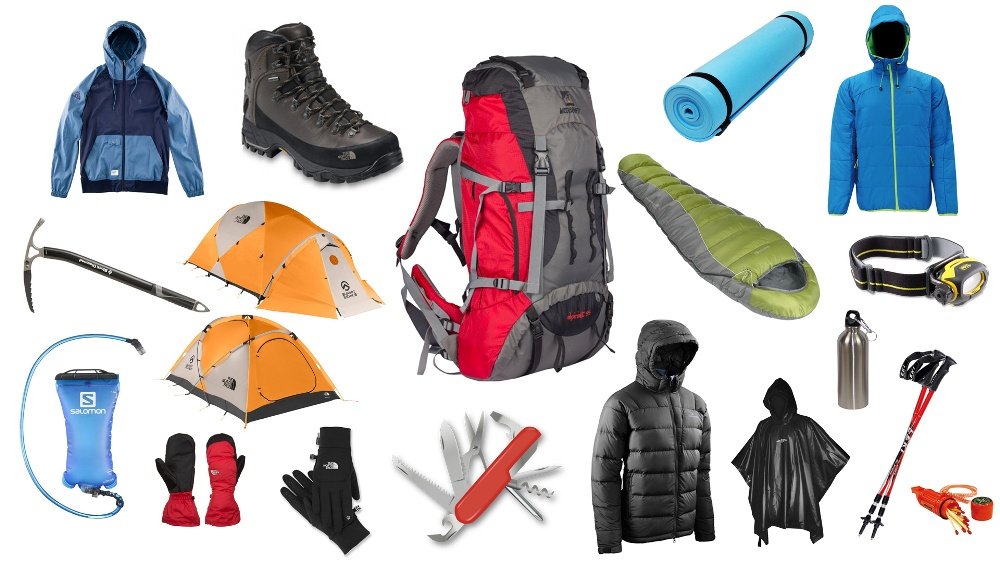
One of the most important items to pack is thermal clothing, including base layers, insulated jackets, and warm trekking pants. These help retain body heat during cold nights and summit attempts where temperatures can fall below -20°C. A high-quality waterproof jacket and rain gear are also crucial, especially during rainy months when sudden showers are common in the rainforest zone. Staying dry not only improves comfort but also helps prevent hypothermia at higher elevations.
Climbers should also bring warm gloves, hats, and thermal socks to protect against freezing summit temperatures and strong winds. Proper footwear is equally important—durable, waterproof hiking boots with good ankle support help navigate rocky, muddy, and uneven terrain safely. In addition, a high-quality sleeping bag rated to at least -15°C is recommended to ensure warmth during cold nights at high-altitude camps.
Because weather conditions on Kilimanjaro can change quickly, it is important to be prepared for all scenarios. Climbers may experience sunshine, rain, wind, and freezing temperatures within the same trek. Packing smart and choosing reliable gear significantly improves comfort, safety, and overall summit success.
Expert Tips for Climbing Kilimanjaro
Successfully climbing Mount Kilimanjaro requires more than physical fitness—it also involves proper preparation, pacing, and acclimatization. One of the most important strategies is starting early during summit night. Most climbers begin their final ascent around midnight to reach Uhuru Peak by sunrise, when weather conditions are usually calmer and visibility is at its best.
Proper acclimatization is another key factor in summit success. Choosing longer routes such as Lemosho or Machame allows the body more time to adjust to high altitude, reducing the risk of altitude sickness. Climbers who rush the ascent often struggle with headaches, fatigue, and reduced oxygen levels, which can prevent them from reaching the summit.
Staying hydrated throughout the climb is also critical. High-altitude trekking causes faster dehydration, even in cold conditions, so climbers should drink plenty of water daily. In addition, preparing physically before the trek can significantly improve endurance and recovery. Cardiovascular training, hiking practice, and leg-strength exercises help climbers handle long trekking days and steep ascents more comfortably.
Mental preparation is equally important. Kilimanjaro is not a technical climb, but the combination of altitude, cold temperatures, and long hiking hours can be demanding. Maintaining a slow and steady pace, listening to guides, and staying positive throughout the journey greatly increases the chances of a successful summit.
Frequently Asked Questions About Kilimanjaro Weather
What is the best month to climb Kilimanjaro?
January, February, and September are considered some of the best months to climb Kilimanjaro because they offer stable weather, lower rainfall, and clear mountain views. These months provide excellent trekking conditions and high summit success rates.
How cold is Kilimanjaro at the summit?
Temperatures at the summit of Mount Kilimanjaro can drop to between -10°C and -20°C, especially during summit night before sunrise. Strong winds can make conditions feel even colder.
Can you climb Kilimanjaro during the rainy season?
Yes, Kilimanjaro can still be climbed during the rainy season, but conditions become more challenging due to mud, rain, slippery trails, and reduced visibility. Climbers during this period should be prepared with waterproof gear and proper equipment.
Is Kilimanjaro weather predictable?
Kilimanjaro weather is not completely predictable because conditions can change rapidly at different altitudes. Climbers may experience sunshine, rain, cold winds, and freezing temperatures all within the same day, especially during summit attempts.
Recommendations
Understanding Mount Kilimanjaro weather by month is one of the most important parts of planning a successful climb. Although the mountain can be climbed year-round, choosing the right season significantly improves trail conditions, visibility, comfort, and summit success rates. Dry seasons generally provide the best trekking experience, while rainy months offer quieter trails and greener scenery for adventurous climbers.
Preparing for Kilimanjaro’s rapidly changing climate is equally important. From warm rainforest temperatures to freezing summit conditions, climbers must be ready for a wide range of weather throughout the journey. By selecting the right season, choosing an appropriate route, and packing proper gear, trekkers can maximize their chances of safely reaching Uhuru Peak and enjoying one of Africa’s most unforgettable adventures.
